Table of Contents
Hiring an ecommerce SEO agency is a revenue decision, not a marketing purchase. The right partner turns your collection and product pages into a steady source of sales. The wrong one burns six months of budget and can leave your store worse off than before.
This guide is for store owners who are comparing proposals or have been burned before. It covers what a good agency looks like, the questions that expose a weak one, and the red flags to walk away from.
📌 TL;DR:
- Judge an agency on ecommerce results it can show with real figures, not on promises or rankings screenshots.
- A good proposal starts with your data: Search Console, revenue by page and your current collection structure.
- Ask who does the work, how success is measured and what happens to your assets if you leave.
- Walk away from guaranteed rankings, secret methods, bulk link packages and long lock in contracts.
- The best fit understands your platform, your margins and how your customers actually search.
Why Does Hiring an Ecommerce SEO Agency Matter So Much?
Ecommerce SEO is different from SEO for a local service business. A store can have thousands of URLs, faceted navigation, product variants and seasonal stock. Small technical mistakes repeat across every page.
That scale cuts both ways. A good strategy compounds across hundreds of collection pages. A careless one can deindex them just as quickly.
- Revenue sits on a few page types. Collection pages usually carry the commercial searches, so an agency must know how to build and protect them.
- Platforms behave differently. Shopify, WooCommerce and custom builds each create their own URL, canonical and speed problems.
- Mistakes are expensive. A bad migration or a poor redirect plan can wipe out years of rankings in weeks.
What Should a Good Ecommerce SEO Agency Show You First?
Before any talk of tactics, a credible agency should show that it understands online stores. Generic SEO experience does not transfer cleanly to ecommerce.
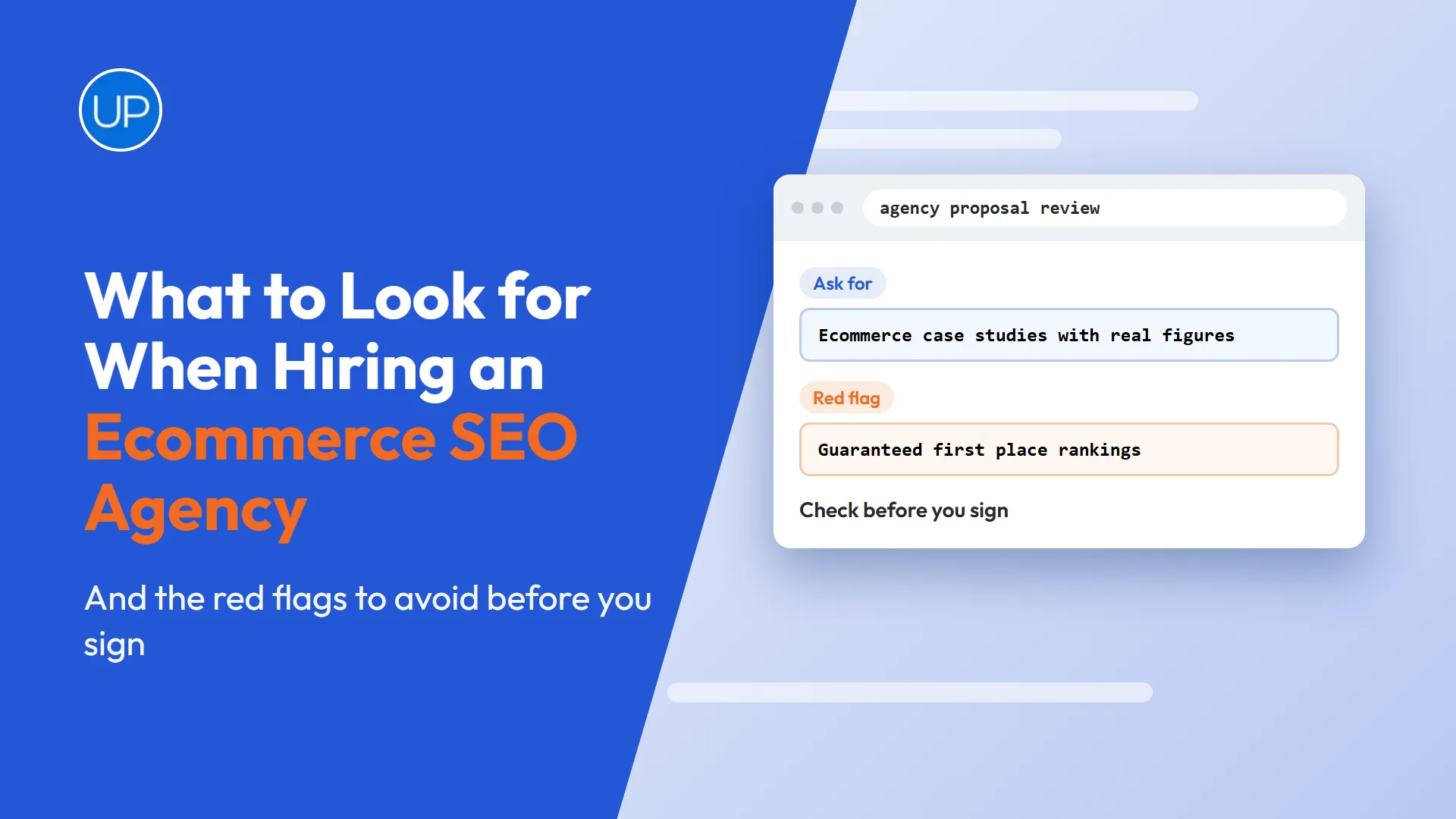
- Ecommerce case studies with numbers. Look for clicks, revenue or rankings with a timeframe and a source such as Google Search Console.
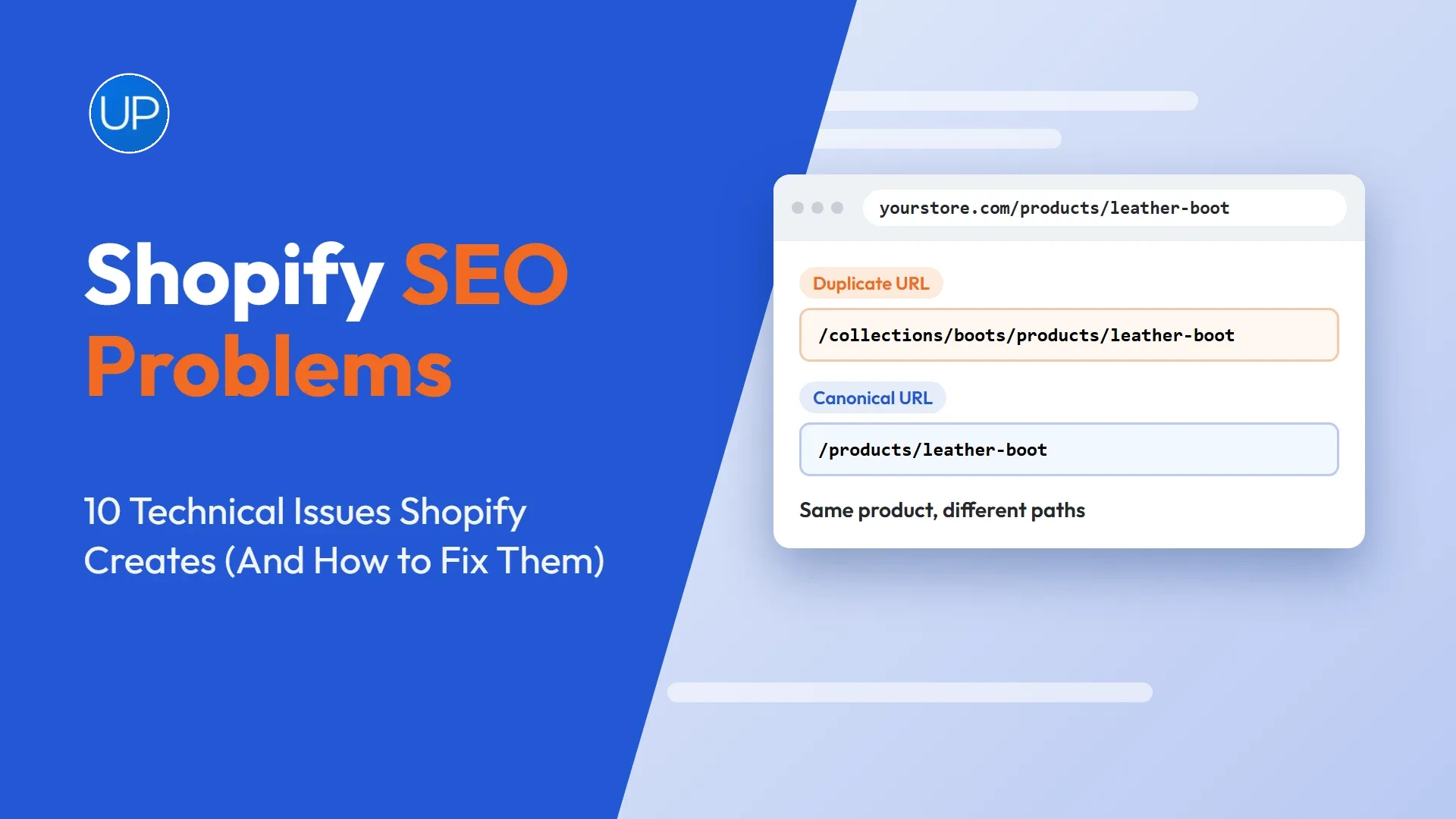
- Platform experience. If you run Shopify, ask how they handle forced URL structures and app bloat. A specialist Shopify SEO agency should answer without hesitation.
- Commercial thinking. They should ask about margins, best sellers and stock before they talk about keywords.
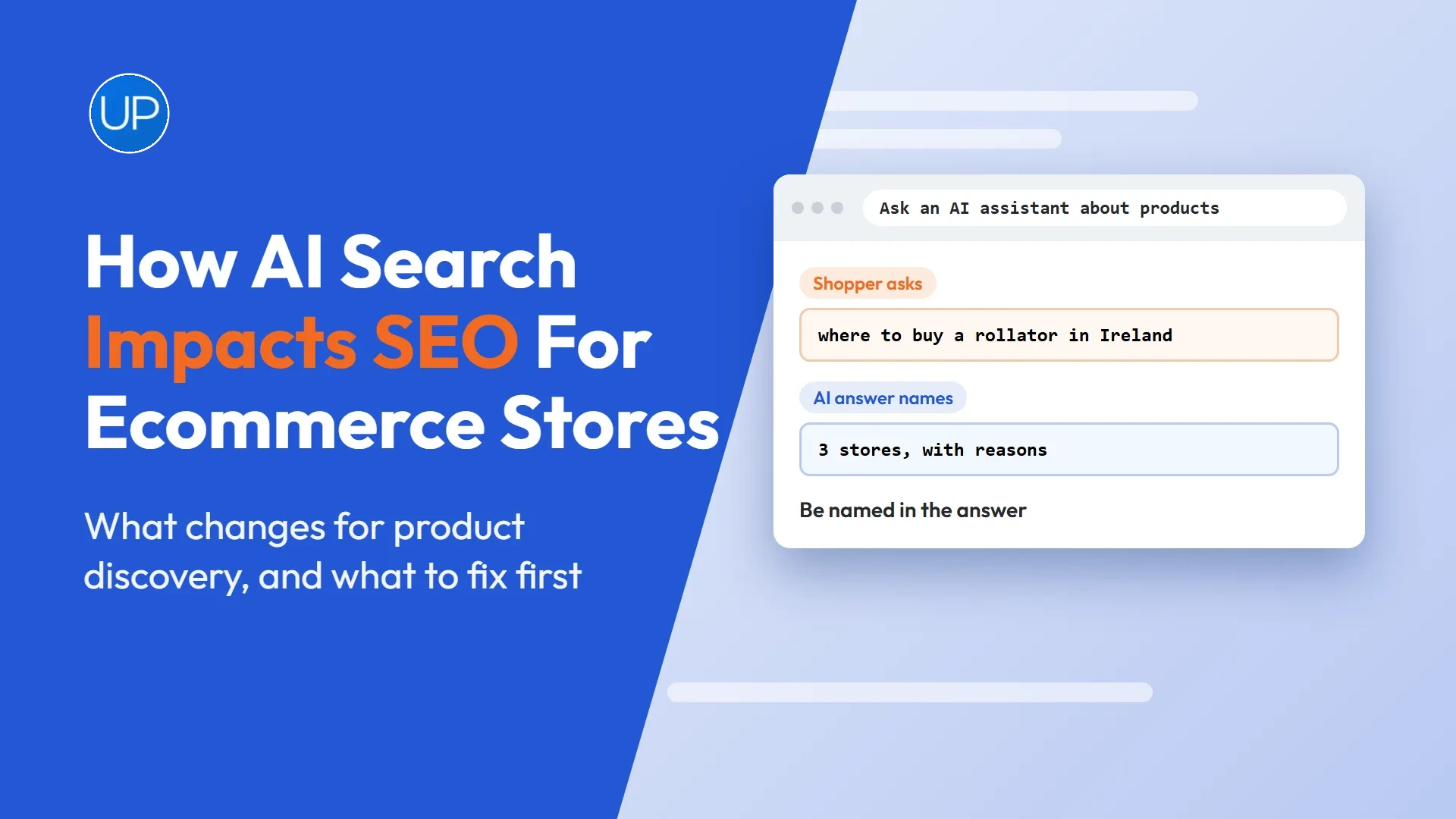
- A view on AI search. ChatGPT, Perplexity and Google AI Overviews now influence how shoppers find products, so ask how the agency builds visibility there too.
If you sell on WordPress, the same test applies to WooCommerce SEO services. Ask for examples on the same platform, because the fixes are not interchangeable.
What Questions Should You Ask Before You Sign?
The questions below separate agencies that run a structured SEO system from those that sell activity. Ask them in the first call and compare the answers side by side.
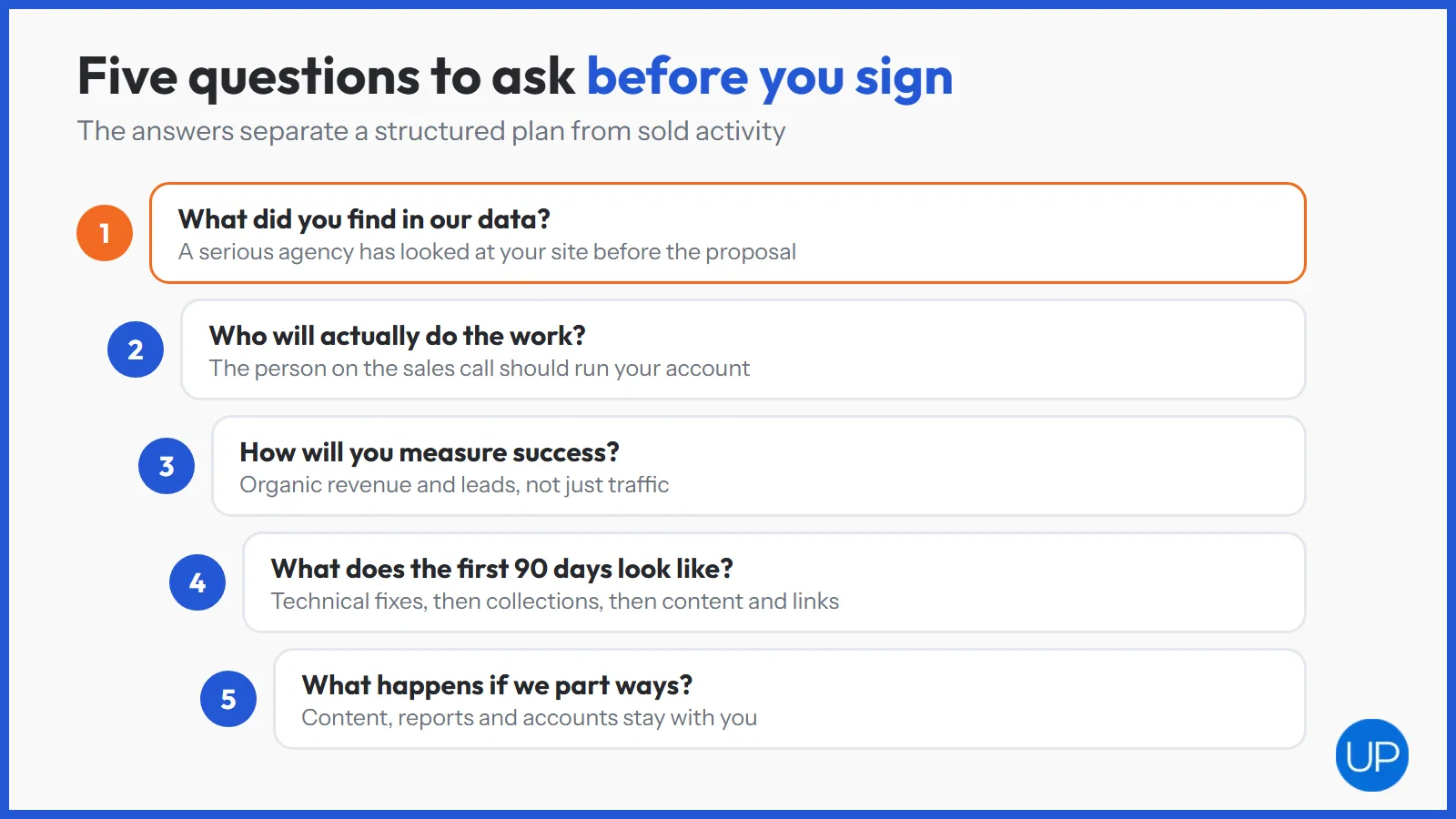
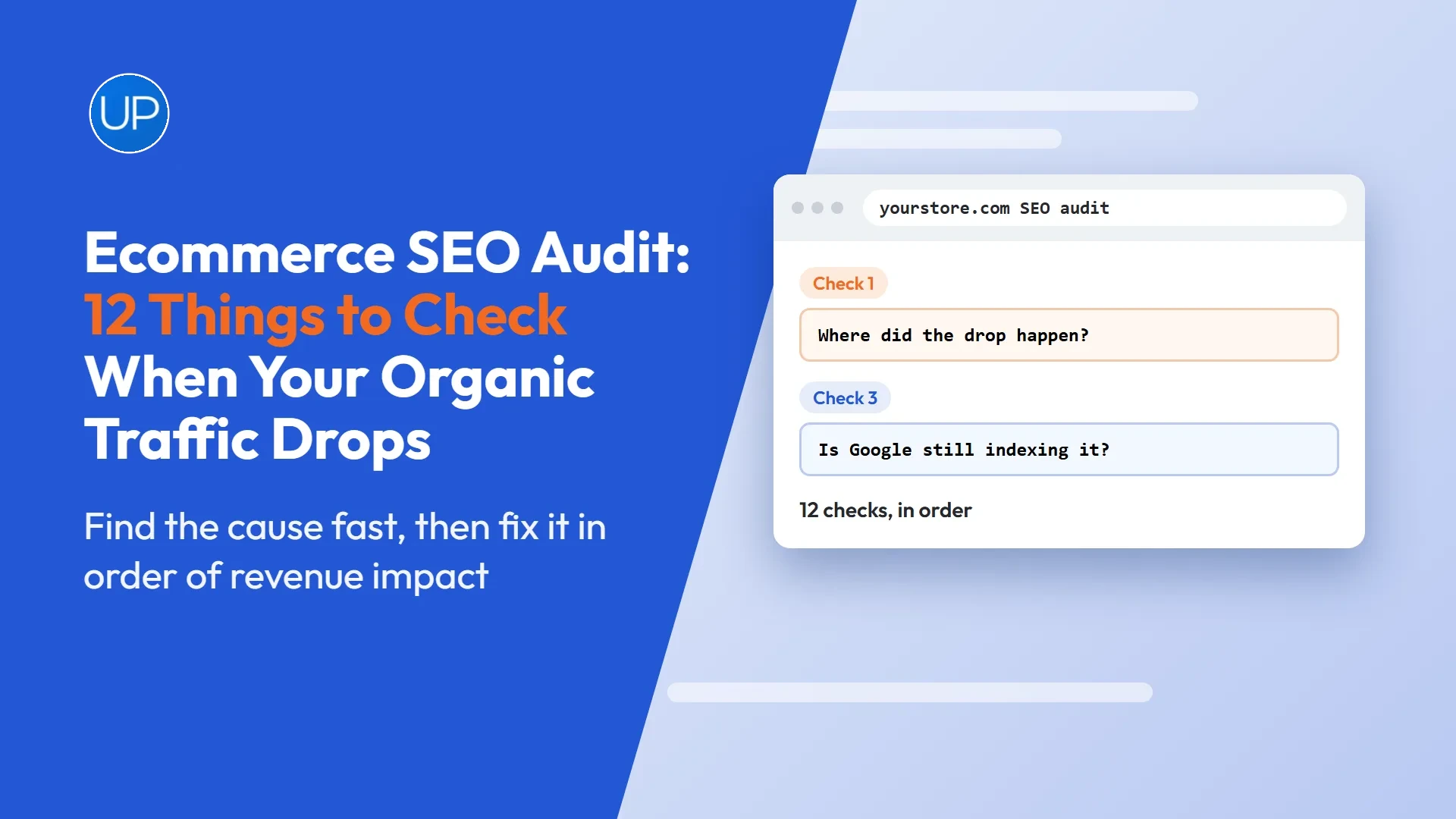
- What did you find in our data? A serious agency will have looked at your site before the proposal. Many start with a structured review similar to SEO audit services.
- Who will actually do the work? Find out whether the person on the sales call is the person running your account.
- How will you measure success? The answer should include organic revenue and leads, not just traffic or keyword counts.
- What does the first 90 days look like? You want a clear order of work, usually technical fixes first, then collection pages, then content and authority.
- What happens if we part ways? Content, reports and accounts should stay with you.
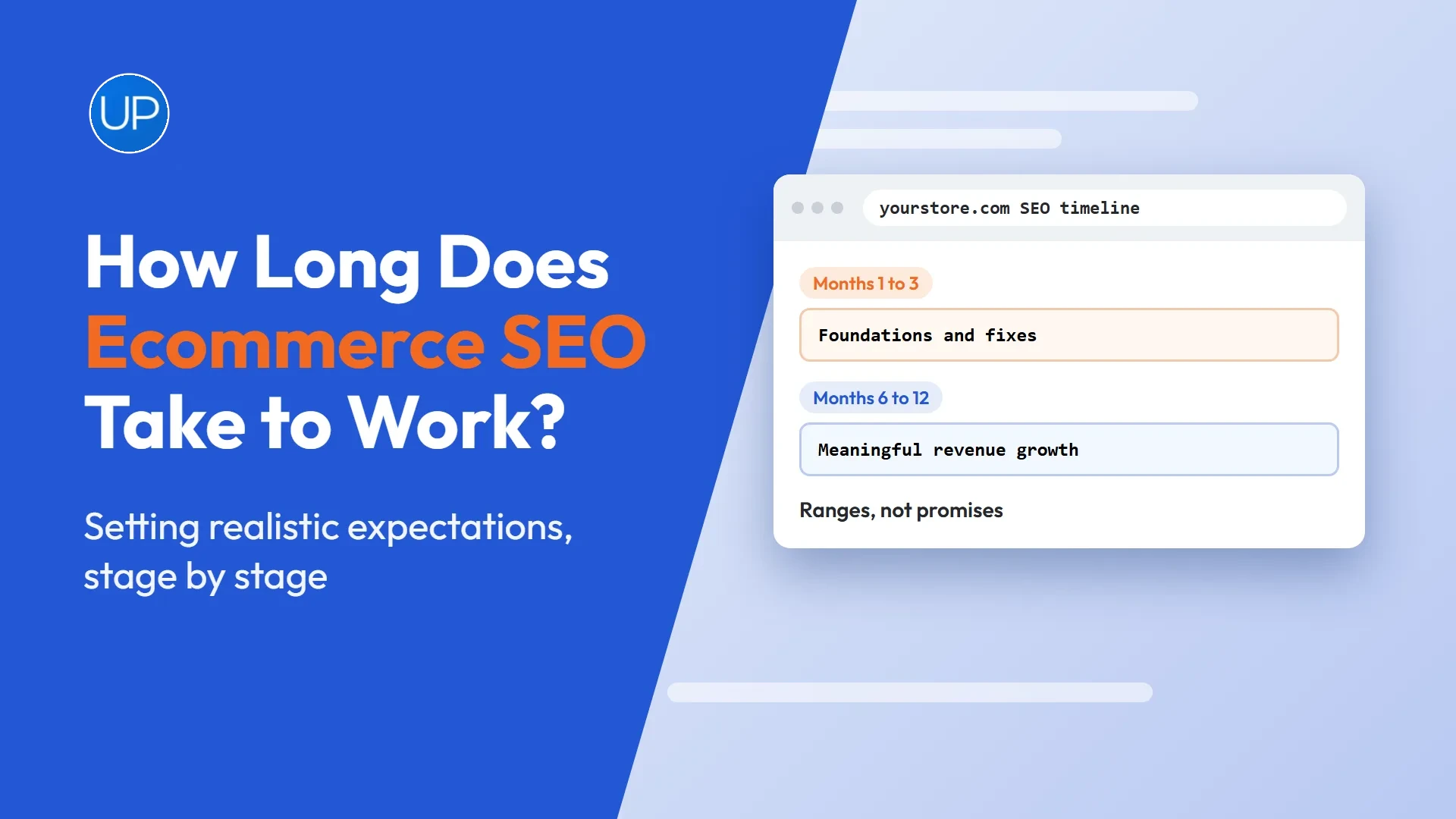
It also helps to set expectations on timing early. Our guide on how long ecommerce SEO takes to work explains what is realistic at each stage.
What Red Flags Should Make You Walk Away?
Most bad SEO engagements show warning signs before the contract is signed. These are the ones that come up again and again in the ranking guides and in owner discussions on Reddit.
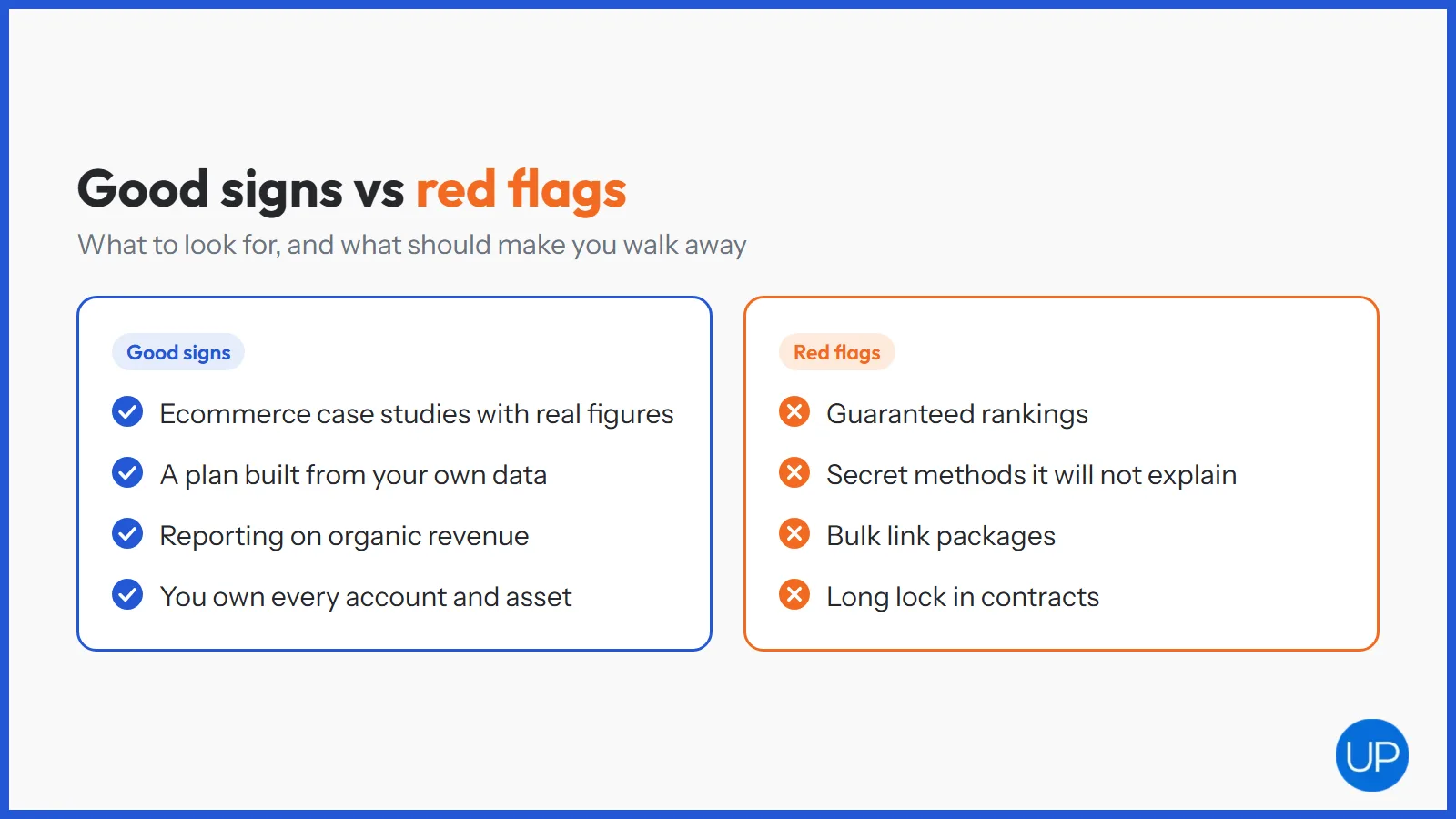
- Guaranteed rankings. Nobody controls Google. A promise of first place in 60 days is a sales line, not a plan.
- Secret methods. If an agency cannot explain what it will do in plain English, assume it is something you would not approve.
- Bulk link packages. Hundreds of links for a fixed fee usually means low quality sites and real penalty risk.
- Vanity reporting. Reports full of impressions and keyword counts, with no revenue figures, hide whether anything works.
- Long lock in contracts. Good agencies keep clients through results, not twelve month notice periods.
- No access for you. You should own your Search Console, analytics and any accounts created for your store.
What Happens When You Hire the Wrong Agency?
The cost of a poor choice is rarely just wasted fees. Bad work can actively damage a store, and recovery takes longer than the original damage.
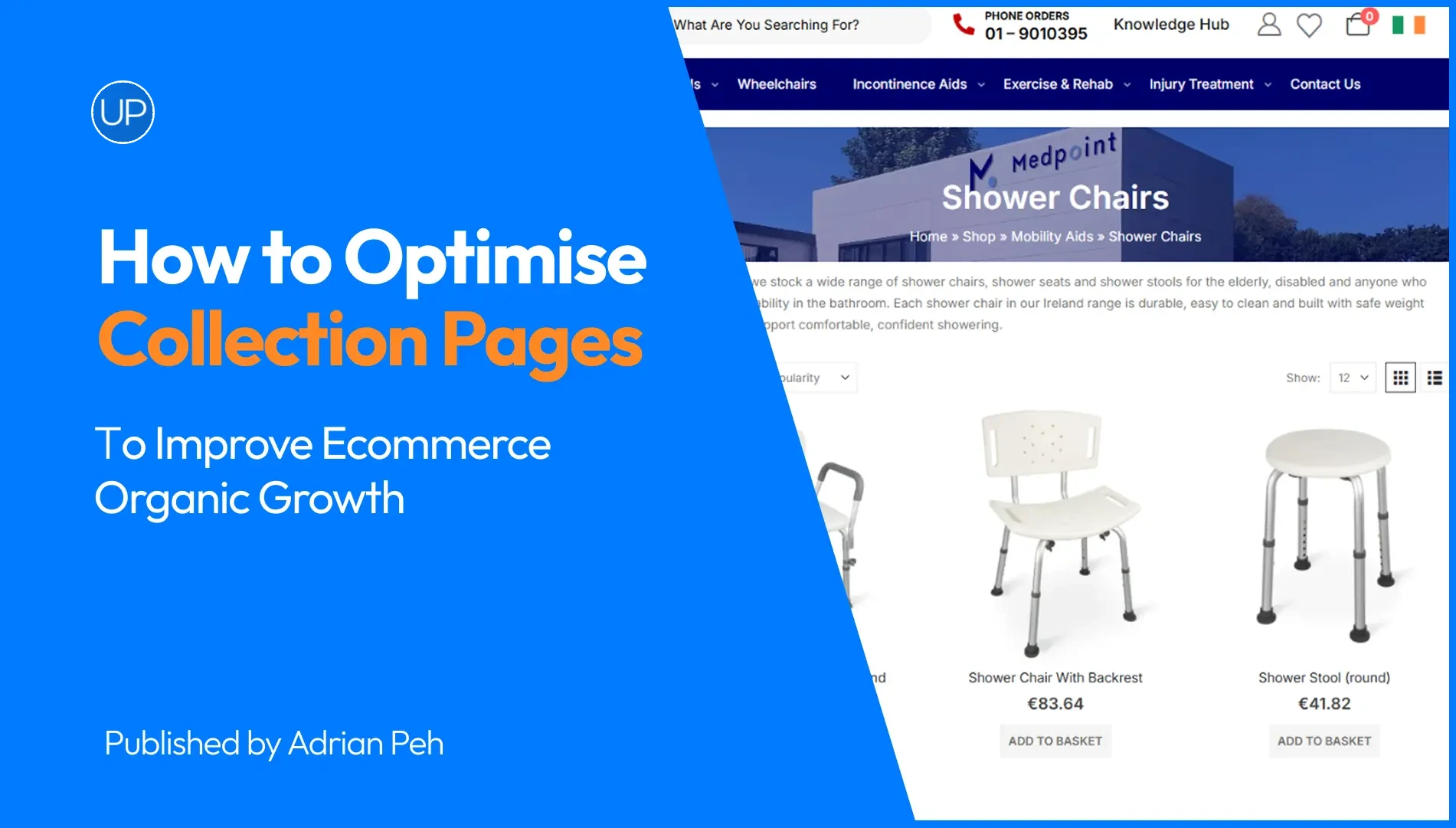
Medpoint, a Dublin physio and mobility supplies store, is a clear example. Its previous SEO provider intentionally sabotaged the website, which resulted in a 90%+ drop in clicks within just two weeks. The recovery needed a misconfigured robots.txt file fixed, toxic backlinks disavowed and spam removed from category pages.
- Lost revenue while rankings recover.
- Clean up costs for links, content and technical errors you never asked for.
- Lost time, because months spent on the wrong work are months your competitors spent on the right work.
How Do You Compare Agency Proposals Fairly?
Line proposals up against the same criteria rather than comparing headline prices. A cheaper retainer that skips technical work often costs more over a year.
- Diagnosis: does the proposal reference your actual pages, queries and problems?
- Priorities: is the work ordered by revenue impact, or is it a generic checklist?
- Scope: are technical SEO, collection pages, content and links all covered, with clear owners?
- Reporting: will you see organic revenue, conversions and the pages driving them?
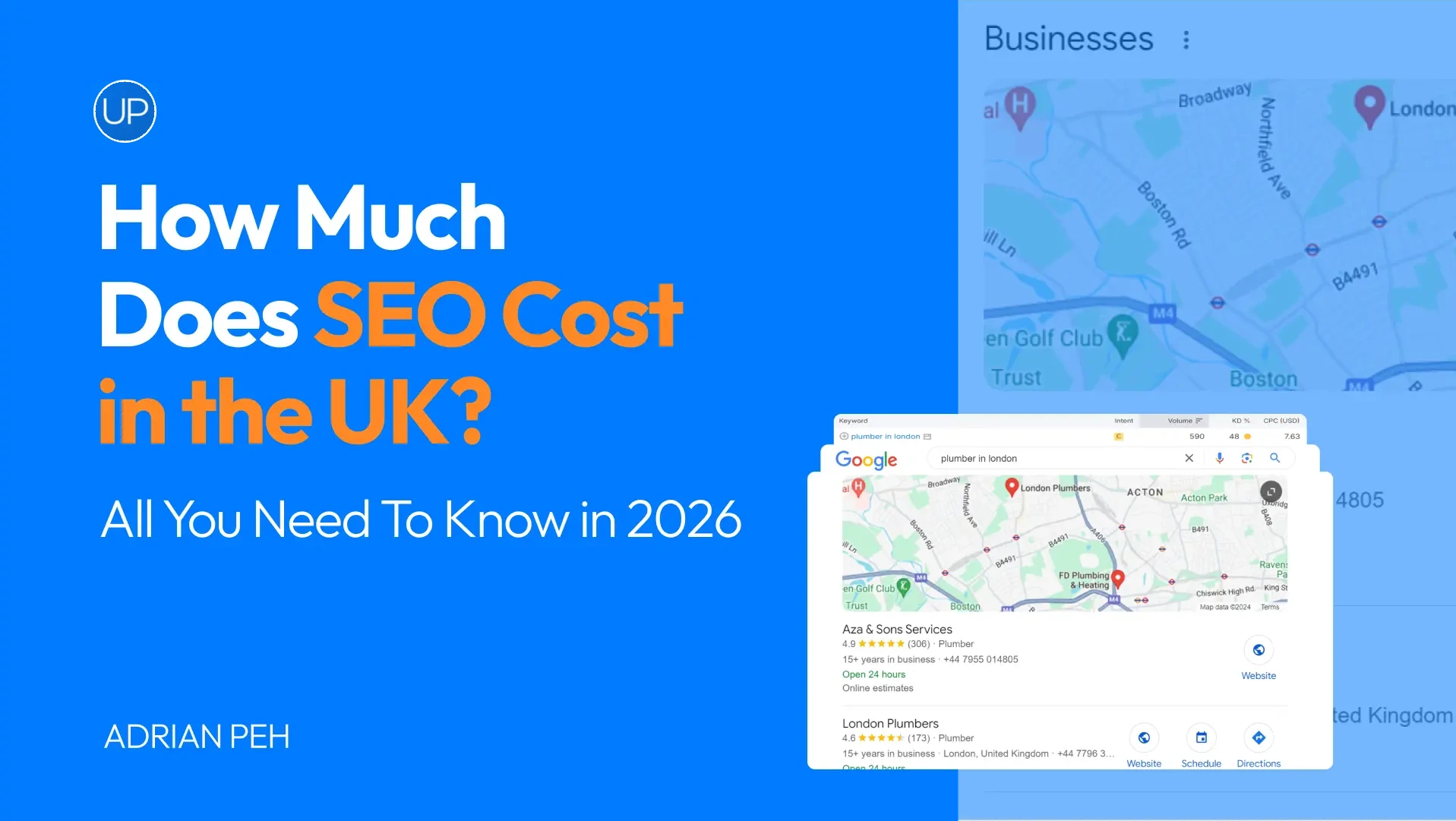
- Price in context: compare the fee with the realistic return. Our breakdown of SEO costs in the UK gives typical ranges.
If a proposal is mostly about strategy and direction, an SEO consulting arrangement may suit better than a full retainer. Some stores only need a clear roadmap their own team can run.
What Does a Good First Three Months Look Like?
The early months tell you quickly whether you chose well. A strong partner shows progress in the leading indicators long before revenue moves.
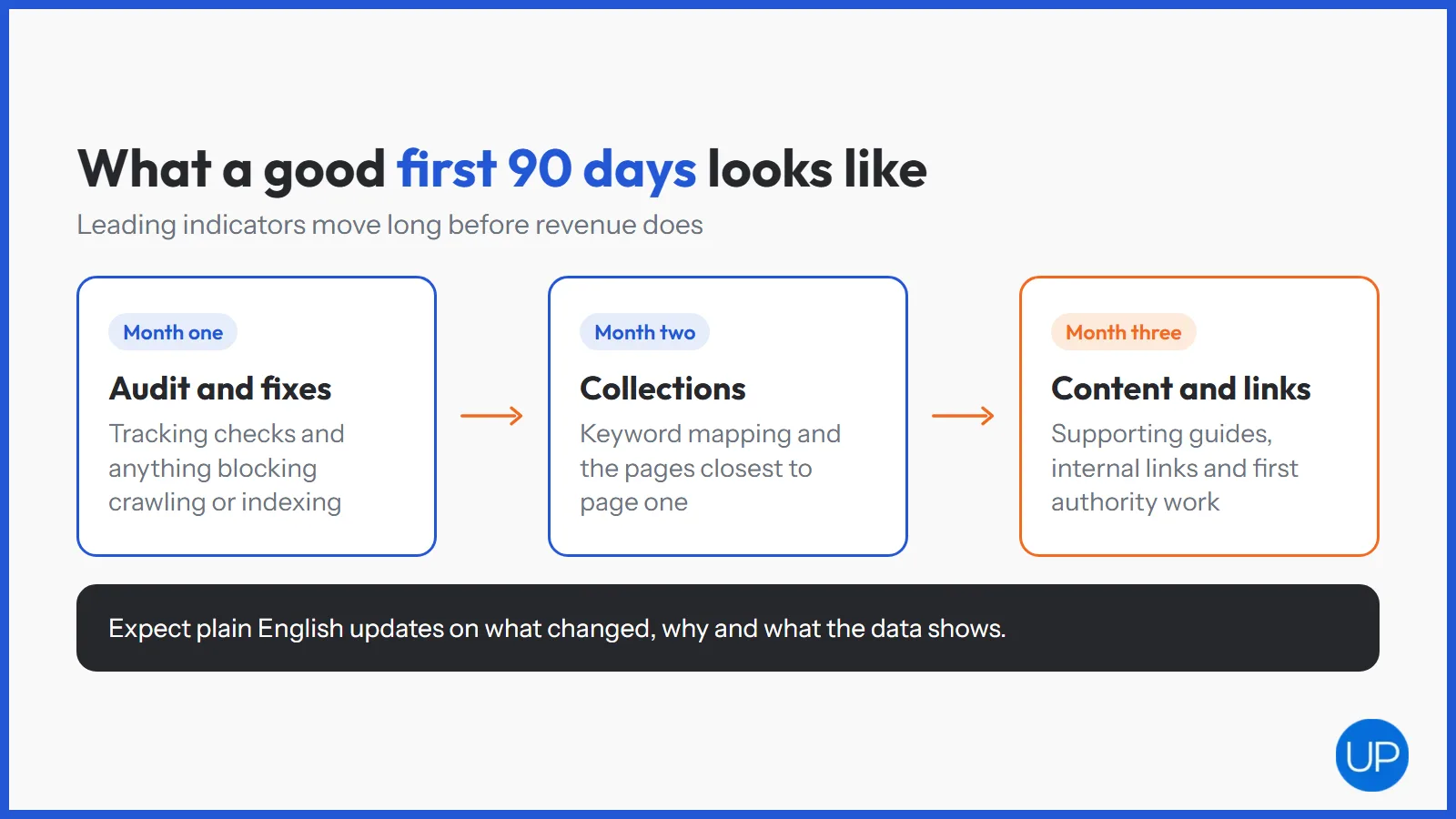
- Month one: audit, tracking checks and fixes for anything blocking crawling or indexing. This is often where technical SEO services earn their keep.
- Month two: keyword mapping and improvements to the collection pages that already sit close to page one.
- Month three: content that supports those collections, internal links and the first authority building.
Throughout, you should get plain English updates that explain what changed, why it was done and what the data shows.
What Is the Real Test of a Good Agency?
The right ecommerce SEO agency treats your store like a business, not a keyword list. It starts with your data, explains its reasoning and measures itself on sales.
Use the questions and red flags above in every conversation. The agencies worth hiring will welcome them, and the ones to avoid will struggle to answer. Choose the partner whose plan you understand, whose results you can verify, and whose priorities match how your customers actually search.
Frequently Asked Questions
Start with proof. Ask for case studies in your sector with real figures and timeframes, then check who will do the work and how success is measured. Compare proposals on how well they diagnose your site, not on price alone.
It depends on the size of the store, how competitive the market is and how much work is in scope. Large catalogues with technical problems need more hours than a small, healthy store. Judge any fee against the organic revenue a realistic plan could deliver, not against the cheapest quote.
Bad SEO is work that breaks search engine guidelines or harms the site, such as buying low quality links, stuffing keywords or publishing thin pages. It can trigger penalties or ranking drops. It also includes careless technical changes, like blocking important pages in robots.txt.
Common ecommerce SEO mistakes include duplicate collection pages, ignoring internal links, deleting products without redirects and chasing broad keywords that do not convert. Another frequent mistake is judging SEO on traffic instead of revenue. Each one is avoidable with a structured plan.
No. AI tools such as ChatGPT and Google AI Overviews still draw on web pages that are crawlable, helpful and trusted. SEO is widening to include visibility in AI answers, but the foundations of technical health, useful content and authority still apply.